If you’ve ever knelt in the back of a work truck, sorting through a bin of fasteners for a fence repair or a factory assembly line overhaul, you know the frustration of grabbing a bolt that’s too short to hold two wooden planks steady, or a nut that’s too loose to fit a washer without shifting. As a supplier of auxiliary fastening parts—think the small, often overlooked components that turn a vague plan into a secure, long-lasting connection—I get dozens of calls and emails a week from folks asking the same question: What sizes are even available? More importantly, what sizes actually matter for the jobs most people are tackling? Auxiliary Fastening Parts
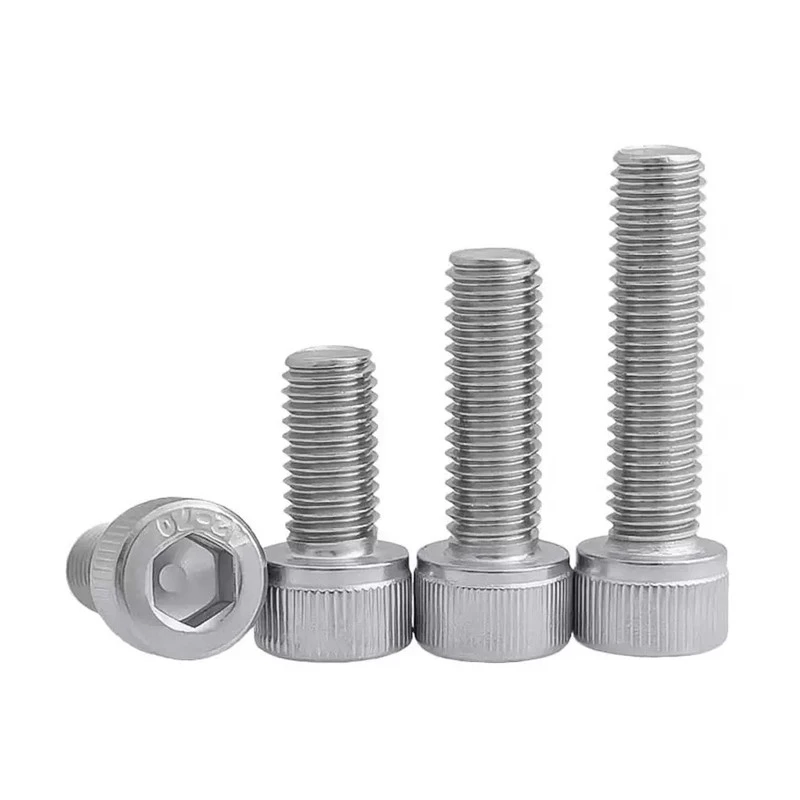
Let’s start with what “auxiliary fastening parts” even means here, because that term gets thrown around for everything from tiny electronic clips to heavy-duty tractor bolts. For my team, it’s all the parts that work alongside primary fasteners (like bolts, screws, and nails) to boost their hold, extend their lifespan, or adapt them to materials they wouldn’t otherwise work with. That means washers, lock washers, hex nuts, wing nuts, retaining rings, expansion sleeves, spring clips, and a whole host of specialty parts that don’t make the front page of a hardware store ad. Each of these comes in a range of sizes, tailored to specific applications, and mixing them up is a surefire way to end up with a repair that falls apart before the weekend is over.
Let’s break down the most common categories and their standard sizes, because that’s where most people need clarity. First up: flat and lock washers. These are the workhorses of auxiliary fasteners. A flat washer distributes the pressure of a bolt or screw head, preventing it from digging into wood, plastic, or soft metal, while a lock washer stops the fastener from vibrating loose—critical for anything that moves, like trailer hitches, lawn mowers, or conveyor belts.
Standard flat washers come in two main sizing systems: imperial (inch-based, used mostly in the U.S. and Canada) and metric (millimeter-based, used globally for industrial and many consumer products). For imperial sizes, you’ll see them numbered by the bolt size they pair with. So a #4 flat washer fits a 1/4-inch bolt, #6 fits a 5/16-inch bolt, #8 fits 3/8-inch, and so on, up to heavy-duty sizes that fit 2-inch bolts for bridge construction or heavy farm equipment. The inner diameter of these washers is always just a hair larger than the bolt to slide on easily, and the outer diameter varies too—standard outer diameter for a #4 washer is 7/16 inch, while a heavy-duty #4 washer is 3/4 inch, for extra pressure distribution on soft materials like cedar.
Metric flat washers follow a similar logic, sized by the bolt’s metric diameter. A M5 washer fits a 5mm bolt, M8 fits an 8mm bolt, and the range goes from tiny M1 washers used in electronics to M36 washers for large structural steel fasteners. The thickness also varies: thin washers for tight spaces, medium for general use, and thick for applications where extra gap fill is needed, like stacking two 2x4s for a deck frame.
Lock washers come in imperial and metric too, but their sizing is even more specific to the fastener they pair with. The most common type is the split lock washer, which has a spiral split that digs into the surface when tightened, creating tension to resist vibration. Imperial split lock washers range from #2 (fits a 1/8-inch bolt, used for tiny crafts or electronics) up to #2-inch (fits a 2-inch bolt). Metric split lock washers start at M1 and go up to M24 for heavy machinery. There are also tooth lock washers, which have internal or external teeth that grip the fastener head or the surface for even stronger hold—these come in the same size ranges as split lock washers, and are the go-to for automotive parts or industrial equipment that runs constantly.
Next on the list: hex nuts, the flat, six-sided fasteners that pair with bolts to create a secure connection. Like washers, they come in imperial and metric, and their sizes are matched directly to the bolt they work with. Imperial hex nuts start at 1/4-20 (meaning the bolt is 1/4 inch in diameter, with 20 threads per inch) up to 2-inch-8 for heavy structural use. Metric hex nuts start at M2 (2mm diameter, coarse thread) up to M48 for large industrial applications. We also offer fine-thread hex nuts, which have more threads per inch for tighter, more precise fits—perfect for things like bicycle parts or electronic enclosures where a standard thread would be too loose. For those who need to adjust connections easily, wing nuts are a subset of hex nuts that have two plastic or metal wings you can turn by hand, no wrench needed. Wing nuts come in the same imperial and metric sizes as hex nuts, and are popular for things like picnic table legs, shelf brackets, or temporary equipment setups where you need to take parts apart often.
Moving beyond the basics, there are auxiliary fastening parts for very specific jobs, and their sizes are tailored to those narrow use cases. Take retaining rings, for example—those circular clips that snap into a groove on a shaft or inside a housing to keep bearings, pulleys, or gears from sliding off. These don’t pair with bolts, so their sizing is based on the shaft or housing they fit on. External retaining rings (for shafts) range from 1/8 inch to 12 inches in imperial sizes, and from 3mm to 300mm in metric. Internal retaining rings (for housing bores) follow the same pattern, sized by the diameter of the bore. These are critical for automotive transmissions, small engines, and even home garage door openers, and getting the right size means the ring won’t snap off too easily or fall out mid-use.
Expansion sleeves are another specialty auxiliary part, used to fasten things like anchors, pipes, or conduit to concrete or masonry. Their sizing is based on the fastener they pair with, but their expanded diameter sets them apart. A 1/2-inch expansion sleeve will expand from about 5/8 inch to 7/8 inch when tightened, gripping the concrete to create a solid hold. Metric expansion sleeves start at M6, and go up to M24 for heavy-duty structural anchors for decks or patio covers. We also offer light-duty expansion sleeves for drywall or plaster, which are smaller—starting at 1/8 inch—for things like hanging picture frames or shelf brackets on interior walls.
Spring clips, those small, curved metal parts that hold wires, hoses, or small components in place, also have a wide size range. Imperial spring clips start at #0 (fits a 1/16-inch shaft) up to #10 (fits a 5/8-inch shaft), and metric ones start at 0.5mm, used in tiny electronics like phone chargers, up to 10mm for automotive wiring harnesses. I’ve seen too many people buy a #6 spring clip for a 1/2-inch hose, only to have the hose slip off and cause a flat tire or a workshop leak—so getting the right size here is non-negotiable.
Now, you might be wondering: are there standard sizes everyone uses, or do custom sizes matter too? That’s a great question, and it’s one my team deals with every day. For most general applications—home repairs, small construction, automotive maintenance—standard sizes are the way to go. If you’re replacing a 1/4-inch lock washer for a faucet or an M8 hex nut for a lawn mower bolt, you can grab those from any hardware store, no problem. But for industrial, custom, or niche applications, custom auxiliary fastening parts are often needed. For example, a manufacturer building a specialized robot arm might need a retaining ring that fits a unique 22mm shaft, not a standard size, so we’ll mill that to their specs. Or a boat builder might need a stainless steel expansion sleeve that’s 3 inches in diameter to secure a large dock piling, a size not sold in standard inventory.
What’s important to remember is that the sizes of auxiliary fastening parts aren’t arbitrary—they’re standardized by organizations like the American Society for Testing and Materials (ASTM) for imperial parts and the International Organization for Standardization (ISO) for metric parts. That means a #8 flat washer from our supplier will fit a #8 bolt just as well as one from a supplier in Germany, so you don’t have to worry about compatibility when you buy from a reputable source. But that also means mixing imperial and metric parts is a bad idea for most jobs—an M5 bolt won’t fit a #4 washer, no matter how hard you force it, and that’s a quick way to end up with a failed connection.
I’ve been in the auxiliary fastening parts business for 12 years, and I’ve seen firsthand how choosing the wrong size can turn a quick fix into a major headache. A customer once called me in a panic because he’d used a 1-inch lock washer for his deck fasteners, only to find the washer was so large it split the cedar boards, leading to a warped railing that had to be replaced. Another customer, a small engine mechanic, told me he’d saved $5 by buying cheap, off-size hex nuts for a lawn mower repair, and the nuts stripped mid-use, leaving him with a $300 service call to fix the damage.
That’s why we keep our inventory stocked with all the standard sizes, from the tiny #0 spring clips to the heavy-duty 2-inch washers, and we also work with customers to source or make custom sizes when they need them. No matter what job you’re tackling—whether it’s hanging a mirror, building a new fence, repairing a truck, or outfitting an entire factory line—having the right auxiliary fastening parts in the right sizes is the first step to a job done right.

If you’re not sure what size you need, don’t guess. Send us the details: what fastener are you pairing the auxiliary part with? What material are you working on? What’s the application (indoor, outdoor, high vibration, heavy load)? Our team has decades of experience helping people match the right size part to their job, no matter how big or small the project. We don’t do one-size-fits-all here, because we know that when it comes to fastening, size matters more than anything.
Threaded Fasteners References
ASTM International. (2020). Standard Specification for Plain Washers for General Purpose Use (ASTM F436-20).
ISO. (2021). Fasteners—Bolts, Screws, Nuts and Washers—General Rules for Metrology and Acceptance Inspection (ISO 898-1:2021).
Machine Design. (2022). “A Guide to Retaining Sizing and Selection”.
Fastener Technology International. (2023). “Metric vs. Imperial Fasteners: Sizing, Standards, and Compatibility”.
Handan Hengmai Fasteners Manufacturing Co., Ltd.
Handan Hengmai Fasteners Manufacturing Co., Ltd. is one of the most professional auxiliary fastening parts manufacturers and suppliers in China. With abundant experience, we are committed to providing customized fasteners made in China with competitive price. We warmly welcome you to buy bulk high quality auxiliary fastening parts for sale here from our factory.
Address: Industrial Zone, West of Beiduanzhuang Village, Linmingguan Town, Yongnian District, Handan City, Hebei Province
E-mail: hmfasteners.cn@gmail.com
WebSite: https://www.hmfasteners.com/
