Hey everyone, it’s Jake here from [Your Company Name]—you know, the guy who’s been geeking out on door lock demo stands for the last 6 years. Last week, I got a call from a rep at a big hardware chain who blew my mind: she said their team had been storing demo locks in random cardboard boxes in the back storage closet, and now half of them won’t even calibrate right. Total waste of money, right? That’s exactly why I’m writing this—storing those demo locks (the ones you switch out every month on your demo stand) the wrong way is a way bigger problem than most people think. I’ve seen it mess up hundreds of locks over the years, and today I’m walking through exactly how to fix it so you’re not tossing expensive demo gear every quarter. Door Lock Demo Stand
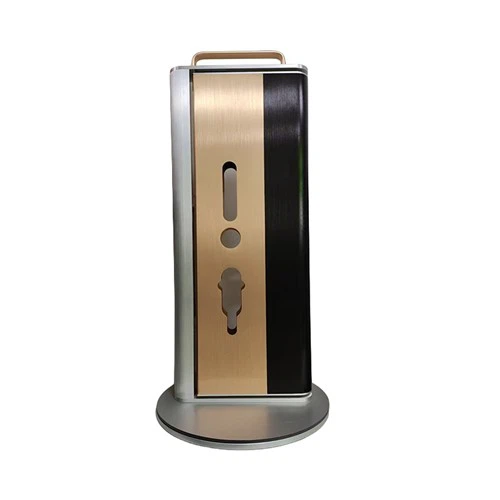
First off, let’s cut the crap and get real: these aren’t your front-door home locks. Demo locks get moved around all the time—you’re setting them up at trade shows, rotating them between in-store stands, swapping parts when a new smart lock drops—and they get banged, dusted, and exposed to random junk way more often than a regular lock you’d buy for your own house. If you just toss ’em in a bin when you’re done using the demo stand, you’re gonna run into a ton of issues that’ll make your demos look trashy and turn off customers. Let’s talk about the most common mistakes I’ve seen people make, then move into the actual steps that work for my clients, okay?
I once watched a guy at a home show drop a bunch of demo mortise locks into a plastic tote with a bunch of old screws and screwdrivers. By the end of the weekend, three of them had scratched up the lock cylinders so bad the keys wouldn’t turn. Another client of mine kept their smart demo locks in a damp basement closet, and after a month, the touchscreens started glitching because the condensation seeped into the battery compartment. And don’t even get me started on people leaving the batteries in the locks while they’re stored—corroded batteries leak all that crud that eats through the terminals, and suddenly your $150 demo lock is paperweight. Those are the kind of avoidable mistakes I wanna help you skip.
Okay, so let’s get into the actual storage plan. I’m gonna break this down step by step, because everyone’s storage space is different—whether you’re a small shop with a closet nook or a big warehouse with extra rooms, there’s something here for you.
First rule: prep the locks before you even think about storing them. This is non-negotiable. Before yank a lock off your demo stand, do three quick things. First, remove the batteries. Smart locks especially—those things die fast if they’re left in while stored. I can’t tell you how many times a client brought a lock back for a demo, and it wouldn’t power on because the batteries leaked. Throw the old batteries away, and if you’re storing the lock for more than two weeks, pop in a fresh pair? No, wait—wait, actually, for long-term storage, take the batteries out entirely. The spring terminals inside the lock can corrode over time even with fresh batteries in there, especially if it’s humid. For mechanical locks? Wipe the cylinder with a clean, dry microfiber cloth. If there’s any dust or lock debris in there, it’ll get ground in while stored, and when you go to use it again, the key will stick. Pro tip: I keep a little can of compressed air (the kind you use for keyboards) to blow out any crumbs from the keyway—way better than picking at it with a screwdriver and scratching it.
Next step: separate the lock parts. Most demo locks come with extra components—keys, mounting screws, strike plates, maybe even a little adapter piece for your demo stand. I’ve seen people lose a set of 10 keys for a demo lock, and now you can’t demo it properly because you only have two. Don’t let that happen. Grab a set of small, labeled plastic zip bags or even mini bins. For each lock, put all the extra parts in their own bag, and label it clearly. Like, don’t just write “Deadbolt Lock”—write “Schlage BE469 Demo Lock, 3/8” Strike Plate, Keys 101-105”. That way, when you need to swap it back onto the demo stand, you’re not digging through 20 bags to find the right strike plate. I even use a Sharpie to write the date I put it into storage on the bag, so I know if it’s been sitting too long (most demo locks should only be stored for 6 months max before you rotate them back to active use, anyway).
Now, the actual storage container—this is where people go wrong. Cardboard boxes are a huge no-no. Cardboard absorbs moisture, and if a leaky battery or a damp day hits, it’s game over. I get it, cardboard is cheap, but it’s not worth the risk. What do I recommend? Plastic storage bins with tight lids, the kind you can seal shut. They’re cheap, you can stack them, and they keep dust, moisture, and random screws out. If you’re storing a lot of demo locks, get bins with dividers? Wait, no—even without dividers, stuff ’em with the right packing material so locks don’t bang into each other. I use bubble wrap for delicate parts like touchscreens on smart locks, and for mechanical deadbolts, I wrap each cylinder in a paper towel so they don’t scratch each other. Never stack locks on top of each other without wrapping them, especially the ones with protruding parts like thumbturns or levers. I once had a client stack three lever locks on top of each other, and the lever on the bottom one got bent so bad the demo wouldn’t operate smoothly.
Where you put these bins matters too. Don’t store them in a garage or a basement if you can help it—those places get super hot, super cold, and humid. Temperature swings are bad for locks, especially the smart ones. Extreme heat can warp plastic parts or make battery juice die faster, and extreme cold can make lubrication in the lock thicken, so when you take it out of storage, it’ll stick. I keep my clients’ storage bins in a climate-controlled office closet or a spare conference room. If you don’t have a climate-controlled space, at least avoid putting bins near windows (direct sunlight will fade the finish on your locks) or near heaters or AC units. Also, don’t put heavy stuff on top of the bins—you’ll crush them, and the locks inside will get damaged. One more thing: if you have locks with keypad displays, turn them off if possible (most smart locks go into sleep mode when not powered, but double-check your lock’s manual) so the screen doesn’t drain any leftover power if the battery was still in there by accident.
Wait, what about different types of locks? Because demo stands have all kinds, right? Mechanical keypad locks, smart Wi-Fi locks, mortise locks, even old-fashioned keyed deadbolts. Do you store them differently? A little, yeah. Mechanical locks? They don’t have batteries, so the main thing is keeping their keyways dry and free of debris. I actually put a tiny piece of cotton (not linty!) in the keyway of mechanical locks when I store them for more than a month—just make sure to pull it out before you install it back on the demo stand, so it doesn’t get caught in the cylinder. For smart locks with internal motors? Be extra careful with packing—those motors are delicate, and a hard bang can mess up their calibration. Don’t drop them, don’t stack heavy things on them, and wrap ’em well. Mortise locks are bulkier, so I use bigger bins for those, and I don’t mix them with smaller lever locks—they’ll scratch each other.
Another pro tip I learned the hard way: do a quick check of each lock once every 3 months. Don’t just toss it into a bin and forget about it. When you take a bin out, grab every lock, turn the key (for mechanical) or press the touchscreen (for smart) to make sure it still works. Wipe off any dust that’s built up, and if you notice a lock feels sticky, add a tiny bit of graphite powder (never oil! Oil attracts dust and makes it worse) to the keyway. I had a client who skipped this step, and by the time they pulled a lock for a trade show, the cylinder was so gummed up they had to replace the whole thing. That’s a $150 mistake they didn’t need to make.
Oh, and one last thing—don’t store demo locks long-term if you can avoid it. The whole point of a demo stand is to keep locks in rotation, right? I tell all my clients not to keep any demo lock in storage for more than 6 months. Every time you use a lock, demo it for a week or two, then rotate it back out to storage and bring a new one in. That way, you’re always testing locks regularly, and you never have a bunch of old, potentially damaged locks sitting around. Plus, it’s good for your business—you get to test new locks before they hit the market, so you know which ones work best for your demos.
Let me wrap this up, because I know you guys are busy. The biggest takeaway is: prep, separate, store in the right container, keep it in the right spot, and check on your locks every few months. It doesn’t have to be fancy, and it’ll save you so much money in the long run. If you’re still stressing about this, or if you need help setting up a storage system that fits your demo stand inventory, hit me up. I work with all kinds of hardware teams, from small local shops to big national chains, and I can help you sort through whatever you need—whether it’s storage bins, extra lock parts, or even advice on rotating your demo locks to keep them in good shape. No sales pitch, just honest help—my whole thing is making sure your demo stands work so you can sell more locks.
Wait, one last little note—never, ever store demo locks with regular residential locks you use at home. Those locks have different calibrations, and mixing them up will only lead to confusion and damage. Keep your demo inventory separate at all times.

Okay, that’s it from me today. Don’t let bad storage ruin your demo locks—your customers will notice if a lock sticks or the touchscreen glitches, and that means lost sales. Take an hour to set up a proper storage system, and you’ll thank me later when every lock on your demo stand works perfectly every time. Hit me up if you need anything—let’s get your demo stands running smooth.
Door Lock Display Stand References
- National Hardware Association. (2022). Best Practices for Storing Residential Hardware and Demo Products.
- Schlage Technical Support. (2023). Smart Lock Storage and Maintenance Guidelines.
- ANSI/BHMA A156.10-2022. Standard for Mechanical Locks and Lock Hardware.
- KWIKSET Demo Department. (2021). Inventory Management for Demo Lock Stands.
Zhongshan Tangzhina Handicraft Products Co., Ltd.
We are one of the most reliable door lock demo stand manufacturers and suppliers in China, specialized in providing high quality customized products. We warmly welcome you to wholesale durable door lock demo stand in stock here from our factory. For quotation, contact us now.
Address: No. 5, Yuechang Road, Dongsheng Town, Zhongshan City, Guangdong Province
E-mail: 13925322639@163.com
WebSite: https://www.tangzhina.com/
