Can a chiller be used in cold storage facilities? This is a question that often comes up in discussions with potential customers in the cold storage industry. As a chiller supplier, I’ve had the opportunity to explore this topic in-depth and understand the nuances involved. In this blog post, I’ll delve into the details of using chillers in cold storage facilities, examining the technical aspects, benefits, challenges, and factors to consider. Chiller

Understanding the Basics: What are Chillers and Cold Storage Facilities?
Before we dive into the compatibility of chillers with cold storage facilities, let’s clarify what these two terms mean. A chiller is a cooling device that removes heat from a liquid via a vapor-compression or absorption refrigeration cycle. The chilled liquid is then circulated through a heat exchanger to cool equipment or air. Chillers come in various types, including air-cooled, water-cooled, and evaporative condensers, each with its own set of advantages and applications.
Cold storage facilities, on the other hand, are large-scale refrigerated spaces designed to store perishable goods such as food, pharmaceuticals, and chemicals at low temperatures. These facilities require precise temperature and humidity control to ensure the quality and safety of the stored products. They typically use a variety of refrigeration systems, including direct expansion (DX) systems, ammonia systems, and more recently, chillers.
Technical Feasibility of Using Chillers in Cold Storage Facilities
The technical feasibility of using chillers in cold storage facilities depends on several factors. One of the primary considerations is the temperature requirements of the storage space. Cold storage facilities can operate at different temperature ranges, from just above freezing for fresh produce to ultra-low temperatures for frozen foods. Chillers are capable of providing cooling across a wide range of temperatures, making them suitable for many cold storage applications.
Air-cooled chillers are often used in smaller cold storage facilities or in locations where water availability is limited. They are relatively easy to install and maintain, and they can provide efficient cooling in moderate climate conditions. Water-cooled chillers, on the other hand, are better suited for larger facilities or those that require high cooling capacities. They are more energy-efficient than air-cooled chillers, especially in hot climates, but they require a reliable water source and proper water treatment.
Another important aspect to consider is the cooling capacity of the chiller. Cold storage facilities vary in size, and the chiller must be sized appropriately to meet the specific cooling needs of the space. Oversizing the chiller can lead to higher energy consumption and increased operating costs, while undersizing can result in inadequate cooling and potential product spoilage. A professional refrigeration engineer can perform a detailed load calculation to determine the correct chiller size for a particular cold storage application.
Benefits of Using Chillers in Cold Storage Facilities
There are several benefits to using chillers in cold storage facilities. One of the main advantages is energy efficiency. Chillers are designed to operate at optimal efficiency, especially when properly sized and maintained. They can use advanced technologies such as variable-speed drives and intelligent controls to adjust the cooling capacity based on the actual load, resulting in significant energy savings.
Chillers also offer greater flexibility in terms of system design. They can be easily integrated with other cooling equipment, such as air handlers and evaporators, to provide a comprehensive cooling solution for the cold storage facility. This flexibility allows for more customized and efficient system configurations, which can improve the overall performance and reliability of the refrigeration system.
In addition, chillers are generally more reliable and require less maintenance compared to other refrigeration systems. They have fewer moving parts, which reduces the risk of mechanical failures and downtime. Many modern chillers are also equipped with advanced monitoring and diagnostic systems, which can detect potential issues early and allow for preventive maintenance to be carried out.
Challenges and Considerations
While there are many benefits to using chillers in cold storage facilities, there are also some challenges and considerations that need to be addressed. One of the main challenges is the initial cost of investment. Chillers can be more expensive to purchase and install compared to other refrigeration systems, especially for large-scale cold storage facilities. However, it’s important to consider the long-term savings in energy costs and maintenance when evaluating the overall cost-effectiveness of a chiller system.
Another consideration is the environmental impact of the chiller. Some refrigerants used in chillers, such as hydrochlorofluorocarbons (HCFCs) and hydrofluorocarbons (HFCs), have a high global warming potential. As the industry moves towards more sustainable refrigeration solutions, it’s important to choose chillers that use environmentally friendly refrigerants, such as hydrocarbons or natural refrigerants.
In addition, proper installation and maintenance are crucial for the optimal performance of the chiller in a cold storage facility. The chiller must be installed by a qualified professional who has experience in designing and installing refrigeration systems. Regular maintenance, including inspections, cleaning, and refrigerant charging, is also necessary to ensure the long-term reliability and efficiency of the chiller.
Factors to Consider when Selecting a Chiller for Cold Storage
When selecting a chiller for a cold storage facility, there are several factors that need to be considered. In addition to the temperature requirements and cooling capacity mentioned earlier, other important factors include the type of refrigerant, the energy efficiency rating, the noise level, and the manufacturer’s reputation.
The type of refrigerant is an important consideration from both an environmental and performance perspective. As mentioned earlier, it’s recommended to choose a chiller that uses an environmentally friendly refrigerant with a low global warming potential. Hydrocarbons, such as propane and isobutane, are becoming increasingly popular as alternatives to traditional refrigerants due to their low environmental impact and excellent thermodynamic properties.
The energy efficiency rating of the chiller is also a key factor to consider. Look for chillers that have a high coefficient of performance (COP) or energy efficiency ratio (EER). These ratings indicate how efficiently the chiller converts electrical energy into cooling energy. A higher COP or EER means lower energy consumption and operating costs.
The noise level of the chiller is another important consideration, especially if the cold storage facility is located in a populated area or near sensitive areas such as hospitals or schools. Some chillers are designed to operate quietly, with noise reduction features such as sound insulation and low-speed fans.
Finally, it’s important to choose a chiller from a reputable manufacturer. A well-established manufacturer with a proven track record in the industry is more likely to provide high-quality products and reliable after-sales support. Look for manufacturers that offer warranties, technical support, and training services.
Conclusion and Call to Action
In conclusion, chillers can be an excellent choice for cold storage facilities, offering energy efficiency, flexibility, and reliability. However, it’s important to carefully consider the technical requirements, benefits, challenges, and factors outlined in this blog post when selecting a chiller for your cold storage application.
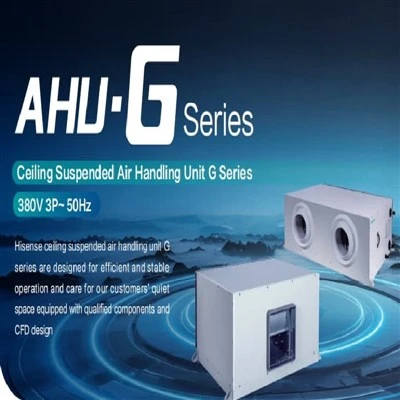
As a chiller supplier, I have the expertise and experience to help you choose the right chiller for your cold storage facility. Whether you’re looking for a small air-cooled chiller for a local food market or a large water-cooled chiller for a commercial cold storage warehouse, I can provide you with a customized solution that meets your specific needs and budget.
HVAC Terminal Unit If you’re interested in learning more about how a chiller can benefit your cold storage facility, or if you have any questions or concerns, please don’t hesitate to contact me. I’m here to help you make an informed decision and ensure the success of your cold storage project.
References
- Refrigeration and Air Conditioning Technology, 6th Edition, by William C. Whitman, William M. Johnson, and John A. Tomczyk
- ASHRAE Handbook – Refrigeration, 2018 Edition, published by the American Society of Heating, Refrigerating and Air-Conditioning Engineers
- The Cold Chain: A Global Perspective, edited by G. V. Barbosa-Canovas, J. Welti-Chanes, and M. L. Cano
Hangzhou Dayu HVAC Engineering Co., Ltd.
As one of the most professional chiller manufacturers and suppliers in China, we have world-leading production equipment and strong manufacturing capabilities. If you’re going to buy customized chiller made in China, welcome to get quotation from our factory. For price consultation, contact us.
Address: Room 1004, Building 1, Xicheng Business Tower, Xihu District, Hangzhou City, Zhejiang Province, China
E-mail: info@hi-hvac.com
WebSite: https://www.hi-hvac.com/
