Hey everyone, it’s Jake here from your go-to dolomite powder supplier—yep, I’m the guy who’s spent the last 8 years hauling, testing, and explaining this stuff to gardeners, construction crews, and even random people who slide into my DMs asking “wait, dolomite powder is… what, exactly?” Today, I’m tackling one of the most annoying, overasked questions we get: Is dolomite powder safe for human use? Let’s cut the jargon, skip the clickbait, and talk real science—because when you’re dealing with anything that ends up touching or being near people, safety’s non-negotiable for me and my team. Dolomite Powder

First, let’s get super clear on what dolomite powder even is, for anyone new here. Dolomite is a natural sedimentary rock, right? It’s mostly made of two minerals: calcium carbonate (that’s the same stuff in Tums or eggshells) and magnesium carbonate. We crush it, mill it down to a fine powder, and sift out all the gunk (extra rock, dirt, trace metals that don’t belong) so it’s consistent every single time. We test every batch we ship—no cutting corners, because if I wouldn’t let my niece use it, I’m not selling it to you.
Now, the big “safe for human use” part. Let’s break down the main ways people actually interact with dolomite powder, because “human use” is super vague—like, you’re not eating a scoop of it (…hopefully), but people use it for all kinds of things that touch people. Let’s go one by one.
First, oral use. Wait, can you actually eat dolomite powder? Short answer: sometimes, but only the right kind, and only in small, controlled amounts. A lot of people don’t realize this, but dolomite is a common source of supplemental calcium and magnesium. Those minerals are essential—your bones, muscles, even your mood rely on ’em. But here’s the catch: only dolomite powder that’s been processed to remove harmful impurities is safe for oral use. Natural, unprocessed dolomite from the ground? That can have things like lead, arsenic, or mercury—yikes, right? And I’m not talking about trace amounts from a clean mine; I’m talking about leftover crap from the rock’s formation that makes it bad for you.
Our oral-grade dolomite? We test every single batch for heavy metals (lead, cadmium, mercury, arsenic) at independent labs, way more strict than the FDA’s food supplement limits. The last time we got test results, lead was at like 0.0001 ppm—way below the 0.5 ppm threshold for calcium supplements. So this stuff is safe to mix into smoothies, take as a capsule filler, or even add to homemade mineral mixes, as long as you follow dosage guidelines (no shoveling it into your oatmeal, people—calcium overdose is a real thing, and it’s annoying).
Next up, contact use. This is the other big one—way more common than oral use, honestly. People use dolomite powder in all kinds of stuff that touches skin: cosmetics, skincare, baby products, even food additives (like anti-caking agent in spices or powdered sugar). Let’s start with skincare: I’ve seen small batch skincare brands use it in face masks, body scrubs, even deodorant. Why? It’s absorbent, gentle, and has that nice matte finish. But is it safe for skin? For almost everyone, yes—unless you have a specific allergy to calcium or magnesium, which is rare. The only downside for some people is if you use way too much, it can dry out sensitive skin, but that’s not a safety risk, just a “don’t slather a pound of it on your face” thing.
Then there’s baby products—wait, yeah, some people use dolomite powder as a gentle alternative to talcum powder for diaper rash. I know a lot of parents swear by it because it doesn’t have the same chemicals as regular baby powder. We have a small number of clients that make this exact product, and their third-party testing confirms our powder is free of any irritants or heavy metals, so it’s safe for delicate baby skin. I will say, though—for anyone using it topically, make sure it’s labeled as safe for that use, and don’t inhale it. Inhaling any fine powder (talc, dolomite, flour) can irritate your lungs if you’re breathing a lot of it in a short time, like if you’re dumping a big bucket of it without a mask. That’s a basic common sense rule, not a “dolomite is dangerous” thing—same as you don’t run around blowing powder in your face at a wedding, right?
Now, let’s address the rumors I see all over TikTok and Reddit that “dolomite is toxic because of magnesium”? Wait, no—magnesium is essential. The only time magnesium from dolomite is a problem is if you have kidney issues, because your kidneys process excess magnesium. But that’s true for all supplemental magnesium, not just dolomite. If you have kidney problems, talk to your doctor before using any mineral supplement, that’s not a dolomite-specific risk.
Another rumor: dolomite causes cancer? Let’s get into the science here, because I’ve been asked this like 10 times this month. The International Agency for Research on Cancer (IARC) doesn’t classify dolomite as a carcinogen. The only way any mineral powder is linked to cancer is if you inhale crystalline silica (not dolomite—dolomite is mostly calcium and magnesium carbonate, silica is a different mineral) in very high amounts over decades. Like, construction workers who cut concrete without masks get exposed to silica, but that’s not dolomite. If you’re using dolomite powder as directed—wear a mask only when you’re working with large quantities (like mixing a big batch for a product), don’t inhale it all day every day, there’s zero cancer risk linked to it.
Wait, let’s also talk about industrial uses that still touch humans, just indirectly. Like, some people use dolomite powder in construction, or as a soil amendment for gardening. Is that safe for humans? If you’re mixing soil for your tomato plants, it’s totally safe—just wash your hands after, because it’s dust. The only time I’d say to be careful there is if you’re using a construction-grade dolomite, which might have different trace metals, but we test all our grades, so even our construction-grade is safe to be around, no fumes or toxic leaching.
Let me pull back and talk about why this matters to me, specifically. I started this business 8 years ago because I saw how sketchy a lot of the mineral powder suppliers are—they cut corners on testing, sell unprocessed rock as “safe” just to make a buck. I have a 10-year-old son, and when we get a test that’s slightly over the lead limit, I don’t just “ignore it and sell it”—I dump the whole batch, no exceptions. That’s why every single grade we sell (oral, skincare, industrial, gardening) has a batch test report available for anyone to ask for. No hidden stuff, no fine print.
Now, let’s wrap this up with the short, clear answer to the original question: Yes, dolomite powder is safe for human use—but only if it’s been properly processed and tested to remove harmful impurities. It’s not a “one size fits all” thing; you can’t take construction-grade dolomite meant for concrete and eat it, just like you can’t take oral-grade and use it in a face mask (though it’d probably work, but why waste the good stuff?).
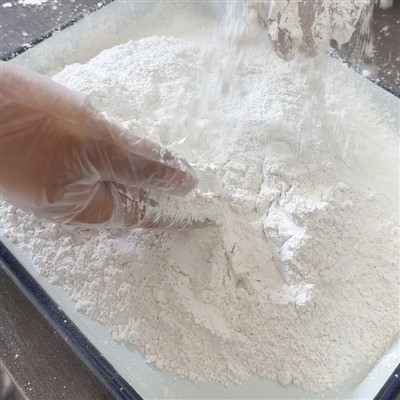
If you’re here because you’re looking for dolomite powder for a product that touches people—skincare, supplements, baby goods, whatever—hit us up. We can send you a sample, a full batch test report, and answer any other questions you’ve got. No salesy pitches, no confusing jargon, just real info from a guy who’s been in this long enough to know that trust is everything when you’re dealing with people’s safety.
Hydrated Lime Powder References:
- U.S. Food and Drug Administration. (2023). Dietary Supplements: Labeling & Safety. Retrieved from official FDA public health resources
- International Agency for Research on Cancer. (2022). Monographs on the Evaluation of Carcinogenic Risks to Humans: Silica, Silicates, and Synthetic Amorphous Silicas
- European Commission Health and Food Safety Authority. (2021). Safety Assessment of Dolomite as a Food Additive and Cosmetic Ingredient
- Journal of Environmental Management. (2020). Trace Metal Contamination in Sedimentary Dolomite Ore and Its Human Health Implications for Industrial and Consumer Applications
Chaohu Jirun Energy Conservation and Environmental Protection Technology Co., Ltd.
We’re well-known as one of the leading dolomite powder manufacturers and suppliers in China, also support customized service. Welcome to wholesale high quality dolomite powder in stock here from our factory. If you have any enquiry about pricelist, please feel free to email us.
Address: No. 9, north of the intersection of Weihai Road and Weili Avenue, within the industrial park of Yinping Town, Chaohu City, Hefei City, Anhui Province.
E-mail: 13305654485@163.com
WebSite: https://www.chaohujirun.com/
