Hey there, if you’re working with plunger pumps—whether you’re handling water treatment, oil & gas, food processing, or even industrial cleaning—you’ve probably run into that moment where the flow rate feels off. Maybe it’s pumping too much and wasting product, or too little and slowing down your whole operation. As a plunger pump supplier, I get it, because I chat with guys like you every single day who are tweaking these pumps to fit their exact needs. Let’s break this down in plain English, no fancy jargon that makes your eyes cross. I’m not here to bore you with a textbook—this is stuff I’ve seen work in real shops, at job sites, and even in small factories that run these pumps 12 hours a day. Plunger Pump

First, let’s get the basics straight: plunger pumps work by moving a reciprocating plunger inside a cylinder, right? The flow rate is directly tied to how much the plunger moves (that’s the stroke length) and how fast it moves (the RPM, or revolutions per minute). Unlike centrifugal pumps that kinda “slosh” fluid around, plunger pumps are positive displacement—so every stroke pushes a fixed amount of fluid, which means tweaking those two variables is how you adjust flow. Most people start with the easiest fixes, and that’s exactly where we’ll start.
First up: adjusting the RPM. This is probably the most common and straightforward way to dial in flow, and for good reason. If you spin the pump faster, the plunger moves more times per minute, so it pushes more fluid. Slow it down, and flow drops. Now, how do you change RPM? If your pump is hooked up to an electric motor, it might have a variable frequency drive (VFD)—that’s a little box that’s super common now, no need to swap motors or pulleys. Just crack open the VFD’s cover, find the knob or digital screen, and nudge the frequency up or down. Wait, hold up—don’t crank it all the way to max right away, though. I’ve had customers do that, and then they end up with pressure spikes that blow seals or hoses. Stick to small adjustments first: like, if your current flow is 10 GPM and you need 12, bump the frequency by 5 Hz, run it for 5 minutes, check the flow with a simple bucket and stopwatch, then tweak more if needed.
What if your pump has a belt drive instead of a VFD? That’s still easy. You just swap the pulleys on the motor or the pump shaft. Smaller motor pulley = faster pump RPM, bigger motor pulley = slower RPM. I always tell folks to write down the old pulley size before swapping, so if you mess up, you can go back. No need to guess here—measure the diameter with a ruler, order a new pulley online if you need it, and it’s a 10-minute job. One thing to watch with belt drives: if you crank RPM too high, you’ll stretch the belt too fast or overheat the pump’s crankcase. Don’t push it past the max RPM listed in your pump’s manual—most of ours have that printed right on the side, so no digging through old paperwork.
Now, if RPM isn’t getting you the flow you need (or if you just need super precise control), the next step is adjusting the stroke length. This is where plunger pumps get way more flexible than other types, because the stroke isn’t fixed. Think of the plunger like a piston that moves in and out—if you adjust how far it travels, each stroke moves more or less fluid, which changes total flow. Most industrial plunger pumps have an adjustable stroke mechanism, usually a handwheel on the pump’s crankcase or a hex key access point. Let’s keep it simple: turn the handwheel clockwise, and that shortens the stroke (less flow); counterclockwise lengthens the stroke (more flow). Again, take it slow—add a quarter turn, test the flow, don’t go all the way to full stroke unless you’re sure your lines and pressure can handle it. I had a guy last year adjust his stroke all the way up without checking his system pressure, and he blew a pressure gauge that was mounted too close to the pump. Oops.
Wait, hold on—what if you’re dealing with variable loads? Like, one minute you need low flow, the next you need high, and you don’t want to keep tweaking two settings? That’s where combining RPM and stroke makes sense. A lot of our customers mix VFDs (for fine-tuning flow on the fly) with adjustable stroke (for big flow ranges). For example, if you need to go from 5 GPM to 20 GPM, you can set the stroke to max, then adjust the VFD between 100 RPM and 400 RPM to hit exactly 5, 10, 15, or 20. No need to adjust the stroke every time you need a small change. That’s a huge time-saver for guys who run automated lines, like food and beverage bottling or chemical dosing, where flow needs to be consistent.
Now, let’s talk about the mistakes I see all the time, because even simple adjustments can go wrong if you skip steps. First: checking system pressure. Plunger pumps have a max operating pressure, and if you set flow so high that pressure spikes above that, you’re gonna have parts break. Flow and pressure are linked here—if you need more flow, you might have to lower pressure, or make sure your system (pipes, valves, filters) can handle the pressure. I always tell customers to install a pressure gauge right at the pump outlet—super cheap, and it takes 5 minutes to mount. If you see the needle jumping above the max pressure, dial back the flow a little. That’s way better than dealing with a broken plunger or a leak that takes half a day to fix.
Second: ignoring suction conditions. Wait, flow rate isn’t just about the pump—what’s feeding it matters too. If your suction line is too small, or there’s a filter that’s clogged, or the fluid has too much viscosity (like thick syrup vs. water), that’ll limit how much flow you can get even if you crank RPM and stroke. I had a customer pumping heavy crude oil last month, and he couldn’t get the flow he wanted until we realized his suction filter was 90% blocked with gunk. Once he cleaned that, he got the full flow with the same pump settings. So before you start tweaking the pump, check the lines leading into it—no point adjusting the pump if the suction is restricting it.
Third: not calibrating after adjusting. This is a big one. You can turn a handwheel or a VFD knob all you want, but the only way to know for sure if your flow is right is to measure it. Grab a 5-gallon bucket, a stopwatch, and time how long it takes to fill the bucket. If it takes 2 minutes to fill 5 gallons, that’s 2.5 GPM. Do that a couple times to make sure it’s consistent, then tweak your settings. Don’t just go by the VFD’s display or the handwheel’s marks—those are rough guides, and every system is a little different. I had a guy last week who trusted his VFD’s frequency reading and was 2 GPM off, just because the VFD wasn’t calibrated to his specific pump. Calibrating takes 2 minutes, and it saves you from wasting a whole batch of product.
What if you need to adjust flow for a specific application, like dosing chemicals? That’s where precision is key, right? For chemical dosing, you don’t want 0.5% or 1% off—you need exact flow to keep the mixture right. The good news is, plunger pumps are perfect for that. Most of our dosing pumps have both fine-adjustment stroke mechanisms and compatible VFDs that can control flow within 0.1% accuracy. We even sell kits that come pre-calibrated, so you just hook it up and tweak from there. One customer in the water treatment space uses our plunger pumps to dose chlorine and flocculants, and they adjust flow every hour as the water flow through the plant changes. They use a small PLC to adjust the VFD automatically, so they don’t have to mess with it manually. That’s a game-changer for plants that run 24/7.
Wait, what if you have an older plunger pump that doesn’t have adjustable stroke or a VFD? Can you still adjust flow? Yeah, there are a couple hacks, but they’re not as efficient. For example, you can install a bypass line—basically, a valve that lets some of the pumped fluid go back to the suction side, so less flows through the system. But be careful here: if you bypass too much fluid, you’re wasting energy, and you might overheat the pump because you’re recirculating fluid that’s not moving. It’s better to upgrade to a VFD or adjustable stroke if you use the pump a lot, but bypass works for occasional tweaks. Another old-school trick: changing the size of the plunger. Larger plunger = more flow per stroke, smaller plunger = less. But that’s a bigger job, so it’s only worth it if you need a permanent, big flow change.
Let me also talk about when adjusting flow isn’t the fix you need. If you’re constantly tweaking your plunger pump to get the flow you want, and it still isn’t working, that might mean you picked the wrong pump size in the first place. For example, if your application needs 5 GPM, and you bought a pump that maxes out at 20 GPM, even when you adjust everything to minimum, it might not be consistent enough. That’s why I always ask customers to give me their exact flow needs, pressure needs, fluid type, and run time before I suggest a pump—way better than guessing. I’ve had customers come to me with a pump they bought elsewhere that’s too big or too small, and we help them adjust or swap to get the right one.
Now, a quick pro tip from someone who’s been in the plunger pump game for years: keep a log of your adjustments. Jot down what setting (RPM, stroke, pulley size) gave you what flow, when you changed it, and what the conditions were (like fluid temperature, suction pressure). That way, next time you need to tweak flow, you don’t have to test it all over again. It’s a small thing, but it saves so much time, especially when you’re in a rush to get a job running.
Wait, let’s circle back to the common mistakes I mentioned earlier. I can’t stress enough checking pressure after adjusting. I saw a shop last year where a tech adjusted a plunger pump to get more flow, didn’t check pressure, and overpressurized the system so bad a hose blew off. The fluid hit a electrical panel, and they were down for 3 days. A $5 pressure gauge would have prevented all that. Don’t skip that step. Also, keep an eye on wear parts. Plungers, seals, and valves wear out over time, and that can make flow drop even if your settings are the same. If you notice flow getting lower after 6 months of use, check the plunger for scratches, replace the seals, and make sure the valves aren’t clogged. That’s a lot cheaper than adjusting the pump every time.
Okay, so let’s recap this to make sure it’s all clear. To adjust a plunger pump’s flow rate, start with the easiest, most reversible steps first: adjust RPM via VFD (best for small, frequent changes) or swap pulleys (for older belt-driven pumps). If that’s not enough, adjust the stroke length (best for big, permanent changes) via the pump’s handwheel or mechanism. Always measure flow with a bucket and stopwatch to calibrate, check system pressure to avoid damage, make sure your suction line isn’t restricted, and don’t forget to check for worn parts if flow drops unexpectedly.
If you’re not sure where to start, or if you have a weird application that needs custom flow, reach out. We’re a plunger pump supplier, so we don’t just sell pumps—we help you set them up, adjust them, and troubleshoot when things go sideways. We’ve worked with everyone from small mom-and-pop shops to big industrial plants, so we’ve seen just about every scenario. No question is too small, and we’ll walk you through it step by step, no sales pitch that feels pushy.
And a heads up: if you’re new to plunger pumps, don’t be intimidated. They’re way simpler than they look once you get the hang of the flow-pressure-stroke-RPM relationship. A lot of guys think they’re super complex, but really, it’s all about those two main levers (RPM and stroke) and a few checks to make sure your system can handle it.
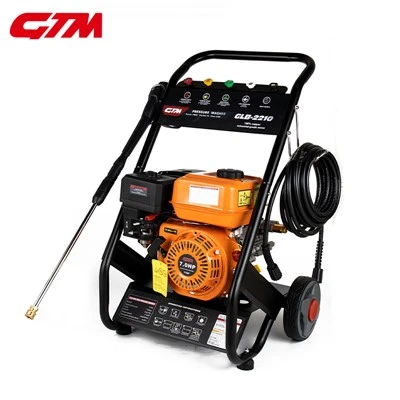
Before we wrap up, I want to make sure I didn’t miss anything. Oh—what about flow control for high-pressure applications? Like hydrostatic testing or pressure washing? For those, you might need more precise control, so combining a VFD with a pressure regulator works great. The VFD adjusts RPM to get the flow you need, and the pressure regulator keeps pressure steady no matter what. That’s how most of our high-pressure plunger pumps are set up, and it works way better than adjusting flow alone.
Another thing: don’t forget about fluid viscosity when adjusting flow. Thick fluids (like sludge or heavy oil) move slower, so you might need to increase RPM or lengthen stroke a bit to get the same flow as you would with water. If you’re working with non-water fluids, let us know, and we can give you specific tips for your application.
At the end of the day, adjusting a plunger pump’s flow rate isn’t rocket science. It’s about small, incremental changes, checking your numbers, and making sure your whole system is in sync. If you run into a problem that you can’t figure out, or you need help picking the right pump or components, just reach out—we’re here to help. Whether you’re a maintenance tech, a plant manager, or someone who just needs a pump for a hobby, we can guide you through it. Thanks for sticking around, and don’t hesitate to connect with us for all your plunger pump needs.
High Pressure Washer References:
- Pump Handbook, 4th Edition, McGraw-Hill, 2008.
- Positive Displacement Pump Application Guide, American Petroleum Institute, 2019.
- Plunger Pump Operation and Maintenance Manual, Hydraulic Institute, 2021.
- Variable Frequency Drive (VFD) Application Guidelines, National Electrical Manufacturers Association, 2020.
Zhejiang GTM Hi-Tech Intelligent Equipment Co., Ltd.
We are one of the most experienced plunger pump manufacturers and suppliers in China, also support customized service. Please feel free to buy discount plunger pump for sale here from our factory. Quality products and reasonable price are available.
Address: No.5 of Changjiang Road, 2nd Economic Development Zone of Wenling, Zhejiang, China
E-mail: yehuanting1@hongyemfg.com
WebSite: https://www.gtmplungerpump.com/
